
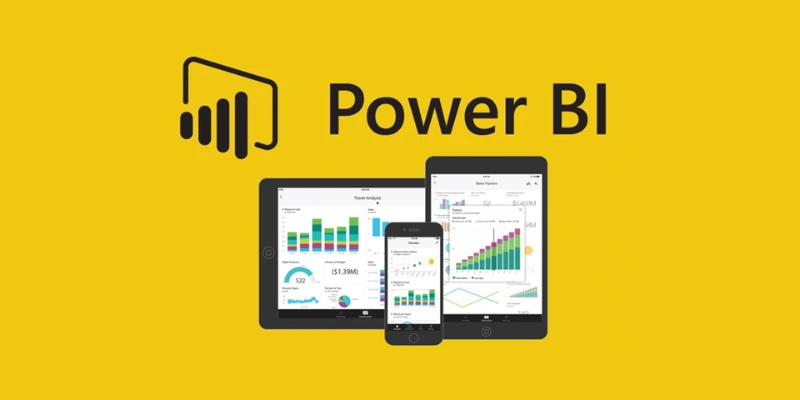
Many beginners feel confused when they first hear about data tools, especially when terms like dashboards, reports, and analytics come up together. Power BI is often mentioned as a starting point, but knowing where to begin can still feel unclear. While exploring data-related roles, many learners start understanding how reporting tools work through Power BI Course in Trichy, where the focus usually shifts toward building simple reports from real datasets instead of just learning features.
Understanding what Power BI does
Before starting, it helps to know what Power BI is actually used for. It is a tool that converts raw data into visual reports like charts, graphs, and dashboards. Instead of reading large tables, users can quickly understand patterns through visuals. This makes it easier for businesses to make decisions based on data rather than assumptions. Beginners should first focus on understanding this purpose instead of jumping into advanced features.
Getting comfortable with basic data concepts
Power BI becomes easier to learn when basic data concepts are clear. This includes understanding rows, columns, tables, and how data is structured. Knowing how data is organized helps when importing and transforming it inside Power BI. Even simple knowledge of spreadsheets can make a big difference at this stage, as many concepts are similar.
Starting with Power BI does not require advanced technical skills, but it does require consistency and curiosity. By focusing on basic concepts, practicing with real data, and gradually building reporting skills, beginners can develop confidence in using the tool. As data-driven roles continue to expand, combining these skills with broader analytical understanding similar to the exposure gained through Data Analytics Course in Erode can help learners move toward stable and growth-oriented careers.
Starting with simple reports
Beginners often try to build complex dashboards too early, which leads to confusion. A better approach is to start with simple reports using small datasets. Creating basic charts like bar graphs or pie charts helps in understanding how visuals are built. Over time, adding more elements becomes easier once the basics are clear.
Learning data cleaning and transformation
Raw data is rarely perfect. It often contains missing values, duplicates, or inconsistent formats. Power BI includes tools that help clean and transform this data before visualization. Learning these steps is important because clean data leads to accurate reports. Beginners should spend time understanding how to filter, format, and shape data before focusing on visuals.
Building consistency through practice
Like any skill, Power BI improves with regular practice. Working on different datasets helps build confidence and problem-solving ability. Many learners combine this practice with structured learning paths like Data Analytics course in Trichy, where they get exposure to real scenarios and understand how reporting tools are used in actual job roles.
Understanding relationships between data
Power BI allows users to connect multiple tables and create relationships between them. This is useful when working with larger datasets. For example, sales data and customer data can be linked to create more meaningful reports. Beginners should take time to understand how these relationships work, as they form the foundation for more advanced analysis.
Exploring career opportunities
Power BI skills are in demand across industries such as finance, healthcare, and retail. Companies look for professionals who can turn data into meaningful insights. As more businesses rely on data for decision-making, the need for reporting skills continues to grow. Learners exploring options like Power BI Course in Erode often notice that employers value practical experience with dashboards and data handling rather than just theoretical knowledge.
Also Check: Important Reasons To Use Power BI







Recent Comments