
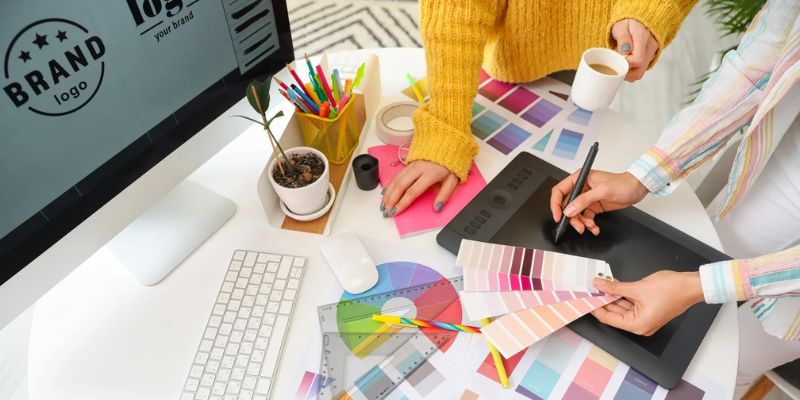
Graphic design is all about turning ideas into visuals that communicate clearly and attract attention. From logos and posters to websites and social media creatives, designers rely on different tools to bring their concepts to life. These tools help in drawing, editing images, creating layouts, and designing user-friendly interfaces. Each tool has its own purpose, and choosing the right one depends on the type of project. Learning these tools practically through a Graphic Design Course in Coimbatore helps aspiring designers build strong creative foundations.
Adobe Photoshop for Image Editing
Adobe Photoshop is one of the most popular tools used in graphic design projects. It is mainly used for editing photos, creating digital artwork, and enhancing images. Designers use it to adjust colors, remove backgrounds, add effects, and retouch images. Photoshop is widely used for social media creatives, banners, posters, and marketing visuals because it offers powerful editing features and creative flexibility.
Adobe Illustrator for Vector Graphics
Adobe Illustrator is the preferred tool for creating vector-based designs. Unlike images that lose quality when resized, vector graphics remain sharp at any size. Designers use Illustrator for logos, icons, illustrations, and typography-based designs. It is especially useful for branding projects where designs need to be used across different platforms without losing clarity.
Adobe InDesign for Layout Design
Adobe InDesign is commonly used for designing layouts for magazines, brochures, flyers, and books. It helps designers arrange text and images neatly across multiple pages. InDesign is ideal for print and digital publishing projects because it focuses on structure, alignment, and readability, making content look professional and organized.
Figma for UI and UX Design
Figma has become very popular for designing websites and mobile applications. It allows designers to create user interface layouts, interactive prototypes, and design systems. One of its biggest advantages is real-time collaboration, where multiple team members can work on the same design at once. This makes Figma a favorite choice for modern design teams and startups.
Sketch for Interface Design
Sketch is another tool mainly used for UI and UX design. It is known for its clean interface and ease of use. Designers use Sketch to create wireframes, app layouts, and website designs. While it is mostly used on macOS, it remains popular for digital product design due to its simple workflow and strong plugin support, which students explore in a Graphic Design Courses in Madurai.
Canva for Quick and Easy Designs
Canva is widely used by beginners, marketers, and small businesses. It offers ready-made templates for social media posts, presentations, posters, and more. Canva is easy to use and does not require advanced design skills. It is perfect for quick designs where speed and simplicity are more important than complex customization.
CorelDRAW for Professional Graphics
CorelDRAW is commonly used in print design and signage work. It is popular for creating logos, brochures, business cards, and large-format prints. Many professionals prefer CorelDRAW because of its strong vector tools and flexibility in handling detailed graphic work, especially in printing industries.
Blender for 3D Graphic Design
Blender is a free and open-source tool used for 3D design and animation. Graphic designers use it to create 3D models, visual effects, and product designs. Blender is often used in gaming, advertising, and motion graphics projects where three-dimensional visuals are required, and it is increasingly included in advanced Graphic Design Courses in Pondicherry programs.
Adobe After Effects for Motion Graphics
Adobe After Effects is used to create animations and visual effects. Designers use it for animated logos, video intros, transitions, and social media animations. It adds movement to static designs, making content more engaging and dynamic, especially for video marketing.
Importance of Choosing the Right Tool
Using the right graphic design tool can save time and improve creativity. Some projects need strong photo editing, while others require layout design or motion graphics. Many designers use a combination of tools depending on the project requirements. Learning how to choose the right tool helps designers work efficiently and deliver high-quality results.
Graphic design projects rely on a wide range of tools, each serving a specific purpose. From image editing with Photoshop and vector design with Illustrator to layout creation with InDesign and interface design with Figma and Sketch, every tool plays an important role. Tools like Canva make design accessible to beginners, while Blender and After Effects support advanced visual and motion design. Understanding these tools through a Graphic Design Course in Tirupur helps designers select the best option for each project and bring creative ideas to life with confidence.
Also Check:
How Can UI UX Designers Enhance Their Skills in Graphic Design?






Recent Comments